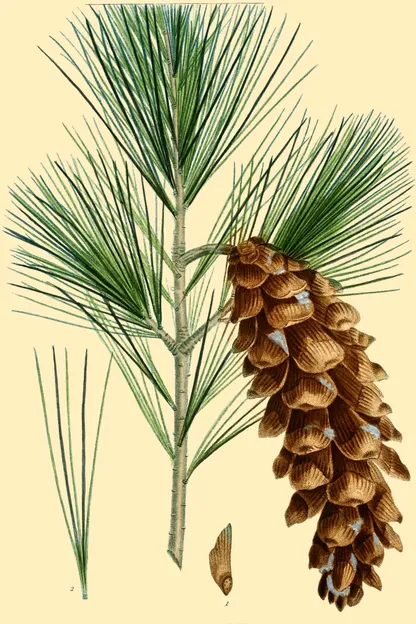
Pine needles have a long history of aromatic use. For this guide, pine is kept simple as a topical infused oil rather than an internal tea.
The needles are used here for a fragrant topical oil that can also become the base of a salve.
Pinus spp.
Pine needles have a long history of aromatic use. For this guide, pine is kept simple as a topical infused oil rather than an internal tea.
The needles are used here for a fragrant topical oil that can also become the base of a salve.
Aromatic — Rich in aromatic oils that often support digestion or breathing
Similar herbs: Basil, Bee Balm, Dill
Evergreen perennial tree.
Eastern white pine (Pinus strobus), the New England reference for this entry, is hardy in USDA Zones 3–8.
Nursery sapling. For New England, eastern white pine (Pinus strobus) is the simplest local reference.
Seed is possible but slow; a sapling is more practical.
Gather small amounts of needles from established trees; collect naturally exuded resin when available.
Do not heavily harvest young trees. Plant seedlings in early spring; fall planting has lower survival in New England.
(Paid links)
Infuse pine into a carrier oil for topical use in body oils, salves, and balms. A simple aromatic topical preparation.